
The National Rehabilitation Leadership Institute (NRLI)
Almost 30 years ago, the innovative minds of a few dedicated professionals to the Vocational Rehabilitation Program developed the National Rehabilitation Leadership Institute (NRLI). These visionaries understood the impact and power of truly great leaders and the necessity of peer support and ongoing coaching for each leader to achieve their maximum potential. They designed NRLI using a cohort-based model that incorporates one-on-one executive coaching to help participants develop and excel throughout the course of the year-long seminar. Since its inception, over 500 participants have benefitted from NRLI to enhance their own leadership and management skills but also increase success in the VR program and identify solutions to the challenges facing the national VR program.
The VRTAC supports NRLI as one of the primary ways we provide executive-level leadership development in VR. NRLI is comprised of four seminar sessions offered over an 11-month period for state directors, senior administrators, and emerging senior leaders in the public vocational rehabilitation program. The instructional approach uses a cohort model that builds on creating and sustaining a learning community among the participants.
In addition to support by the VRTAC, the Council of State Administrators for Vocational Rehabilitation (CSAVR), and the National Council of State Agencies for the Blind (NCSAB) are co-sponsors of the NRLI. These strategic partnerships strengthen the long-standing working relationship with NRLI's past and current participants and the public program of Vocational Rehabilitation.
The nomination of persons who meet the selection criteria is vested in the VR agency’s Administrator. The NRLI staff recommends that the participants have demonstrated the ability to lead changes within their organization.
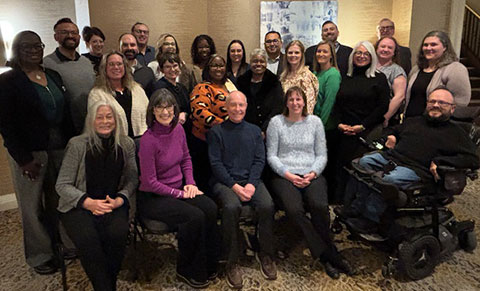
NRLI Staff
The staff that lead NRLI are:
- Cheryl Fuller, NRLI Director
- John Walsh
- Kenna Hickman
- Steve Wooderson
- Joe Xavier
- Kathy Fleming

Participant Policy Papers
In each NRLI cohort, participants work in small groups to examine a significant issue or opportunity facing the public Vocational Rehabilitation program today and into the future. Their issue papers build on the cohort’s discussions and learning to analyze the topic and propose forward looking approaches. These papers culminate in participant presentations during Session IV.
You can read the policy papers completed by cohort R by clicking any of the following titles:
- Smarter Data Better Outcomes
- Career Pathways as a Recruitment and Retention Strategy
- Strengthening New Counselor Training and Ongoing Professional Development in VR
- New Message Same Mission
- Advancing High-Quality Employment Outcomes through CRPs
- Bridging the Gaps A Call for a National VR Data Clearinghouse
Contact Us
